

Marzo es una excusa, pero también un recordatorio.
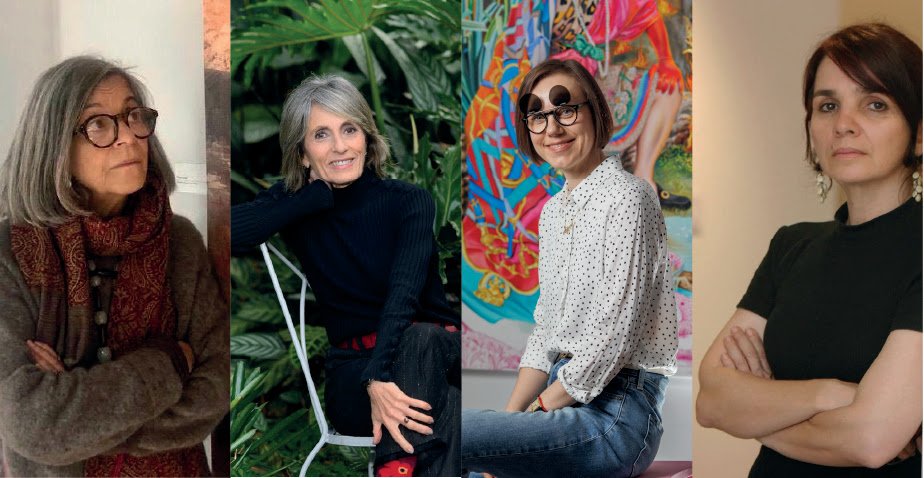
Cerramos el mes con cuatro mujeres artistas cuyas prácticas, desde lugares distintos, coinciden en algo esencial: entender el arte como una forma de leer —y tensionar— el mundo.
Esta selección reúne voces cercanas a la galería en
distintos momentos y contextos.
March is an excuse—but also a reminder.
We close the month with four women artists whose practices, though rooted in different contexts, converge on something essential: understanding art as a way of reading—and challenging—the world.
This selection brings together voices that have been close to the gallery across different moments and contexts.
Justyna Kisielewicz | Centro de Arte Contemporáneo de Mazovia
La exposición colectiva Estados florales propone una lectura de la flor más allá de su apariencia: como símbolo cargado de memoria, emoción y estructuras culturales.
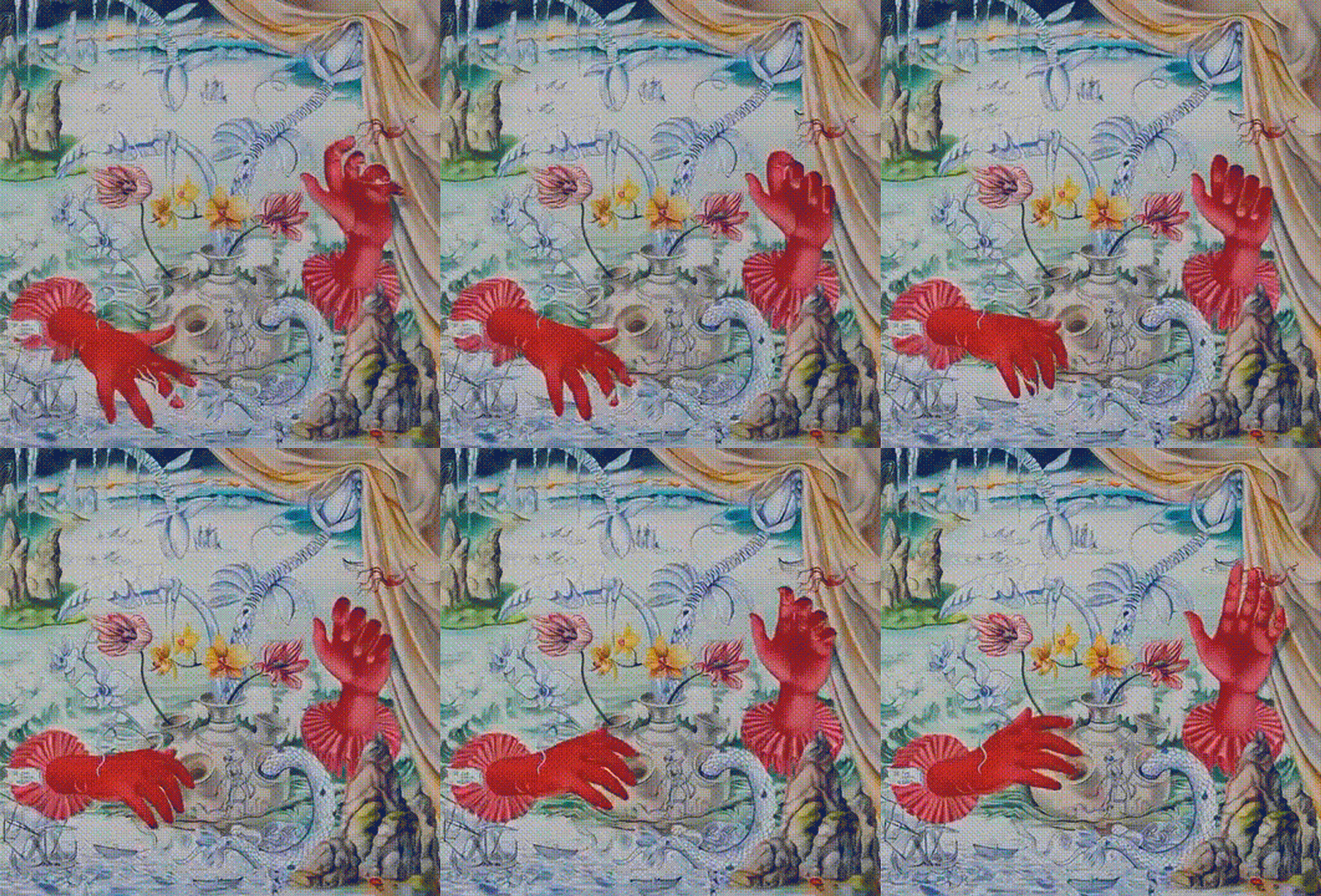
En este contexto, Justyna presenta Shame, una obra que desplaza lo decorativo hacia lo incómodo. A través de una composición atravesada por referencias al colonialismo, la historia y la vergüenza, la artista plantea una idea clave: que ciertas formas de control no son visibles, sino interiorizadas.
La exposición colectiva curada por Pawel Witkowski, podrá visitarse en el
Centro de Arte Contemporáneo de Mazovia (Polonia)
entre el 20 de marzo y el 17 de mayo de 2026.
The group exhibition Floral States proposes a reading of the flower beyond its appearance: as a symbol charged with memory, emotion, and cultural structures.
Within this context, Justyna presents Shame, a work that shifts the decorative into the uncomfortable. Through a composition shaped by references to colonialism, history, and shame, the artist puts forward a key idea: that certain forms of control are not visible, but internalized.
The group exhibition, curated by Pawel Witkowski, will be on view at the
Mazovia Centre for Contem
Libia Posada | Institute of the Arts and Sciences
de Santa Cruz, CA (USA)
El cuerpo como territorio.
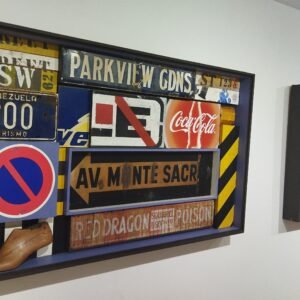
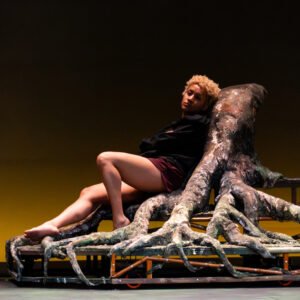
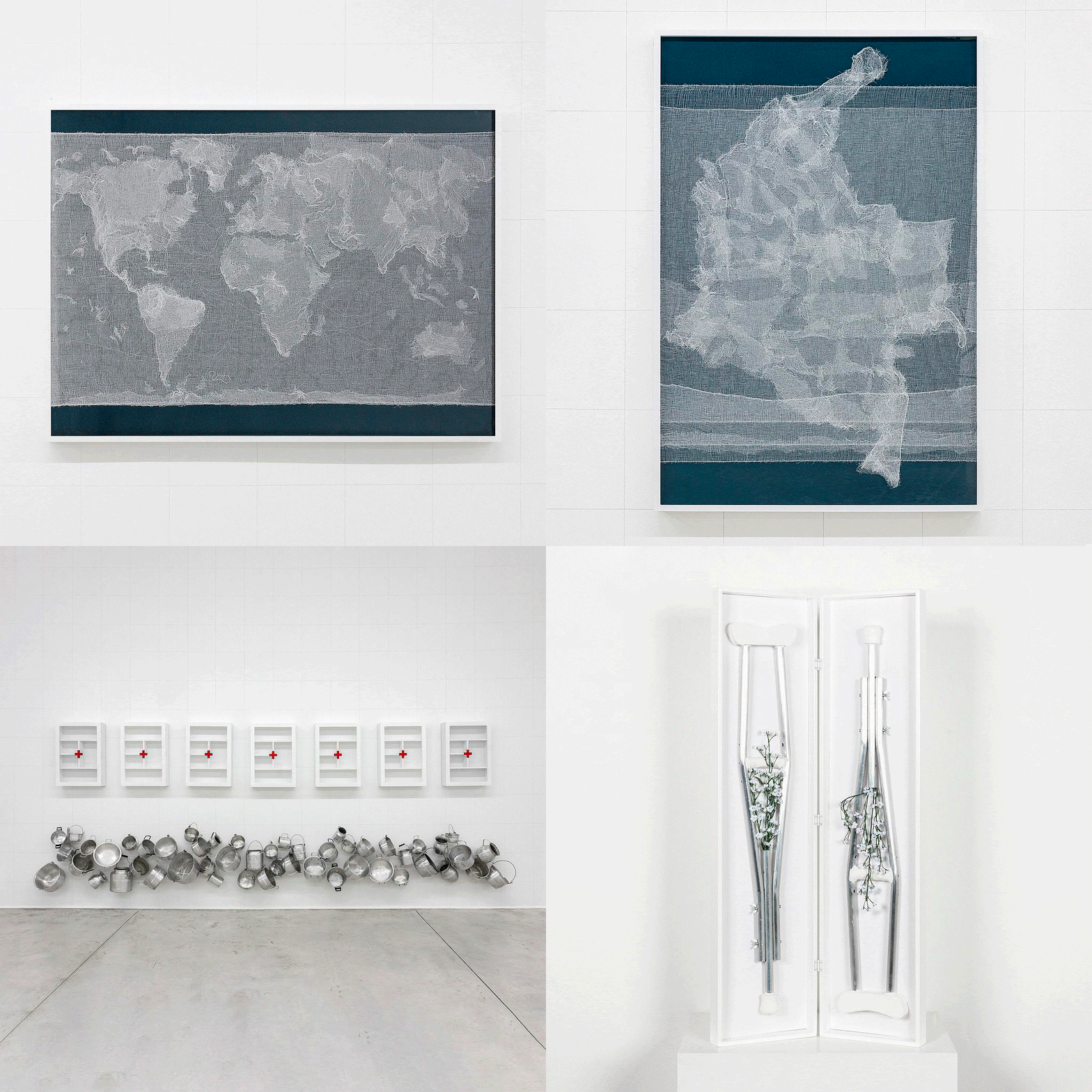
En su primera exposición individual en Estados Unidos, titulada Everything is going right, Libia Posada continúa desarrollando una práctica profundamente atravesada por su formación médica. Su obra observa el cuerpo no solo como organismo, sino como un espacio donde se inscriben tensiones sociales, políticas y ambientales.
Gasas, muletas, textiles: materiales que remiten al cuidado, pero también a la herida.
La muestra tendrá lugar en el Instituto de Artes y Ciencias de Santa Cruz, CA (USA)
del 10 de abril al 16 de agosto de 2026.
The body as territory.
In her first solo exhibition in the United States, titled Everything is Going Right, Libia Posada continues to develop a practice deeply informed by her medical training. Her work considers the body not only as an organism, but as a space where social, political, and environmental tensions are inscribed.
Gauze, crutches, textiles: materials that evoke care, but also injury.
The exhibition will take place at the Institute of the Arts and Sciences, Santa Cruz CA (USA) from April 10 to August 16, 2026.
Mónica Meira & Ana Isabel Díez
— últimos días | La Cometa, Medellín
Dos exposiciones, un mismo punto de tensión.
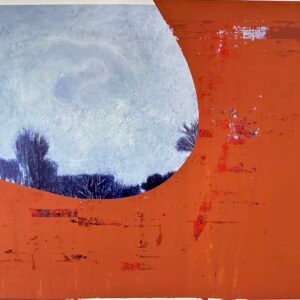
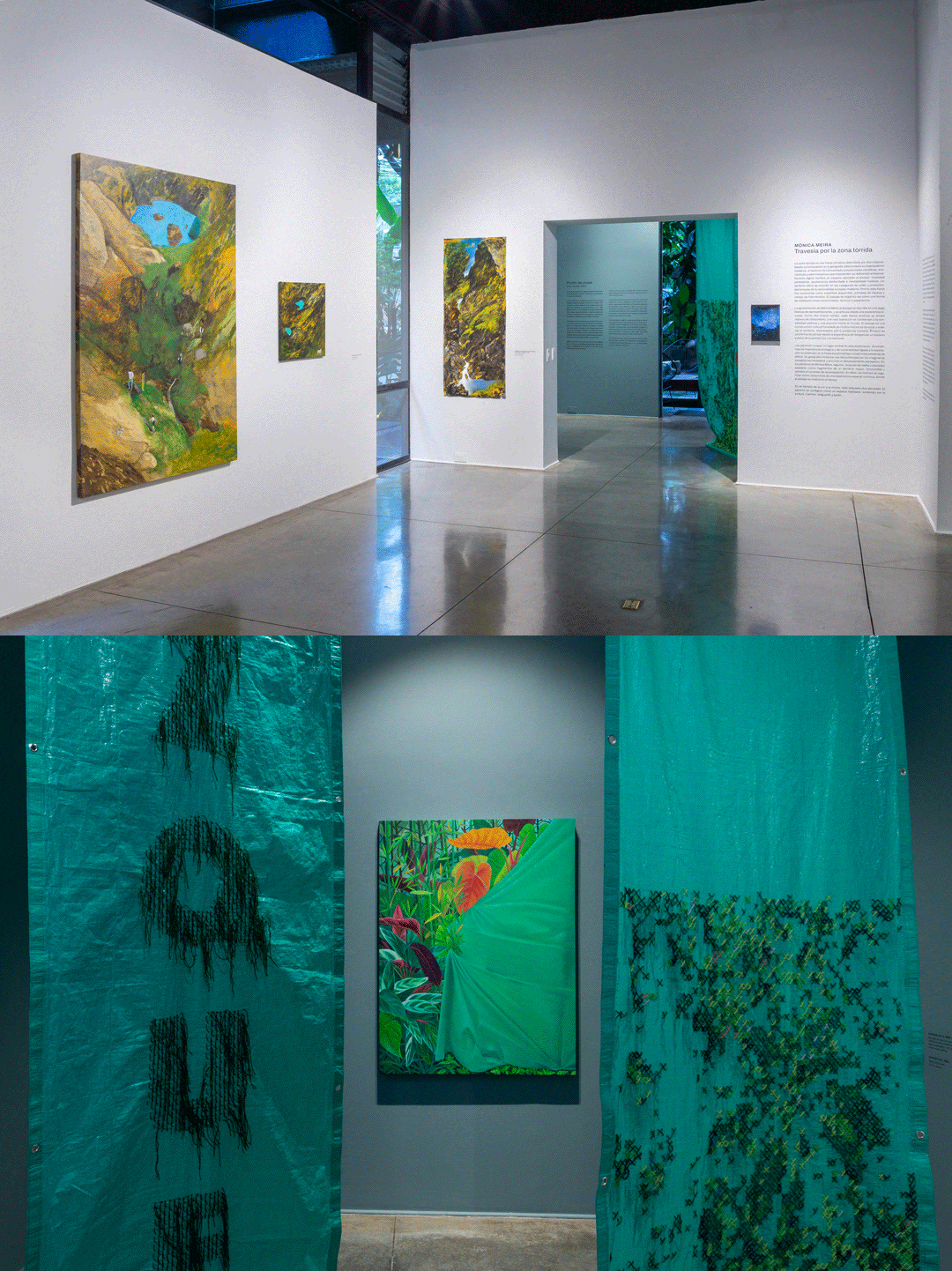
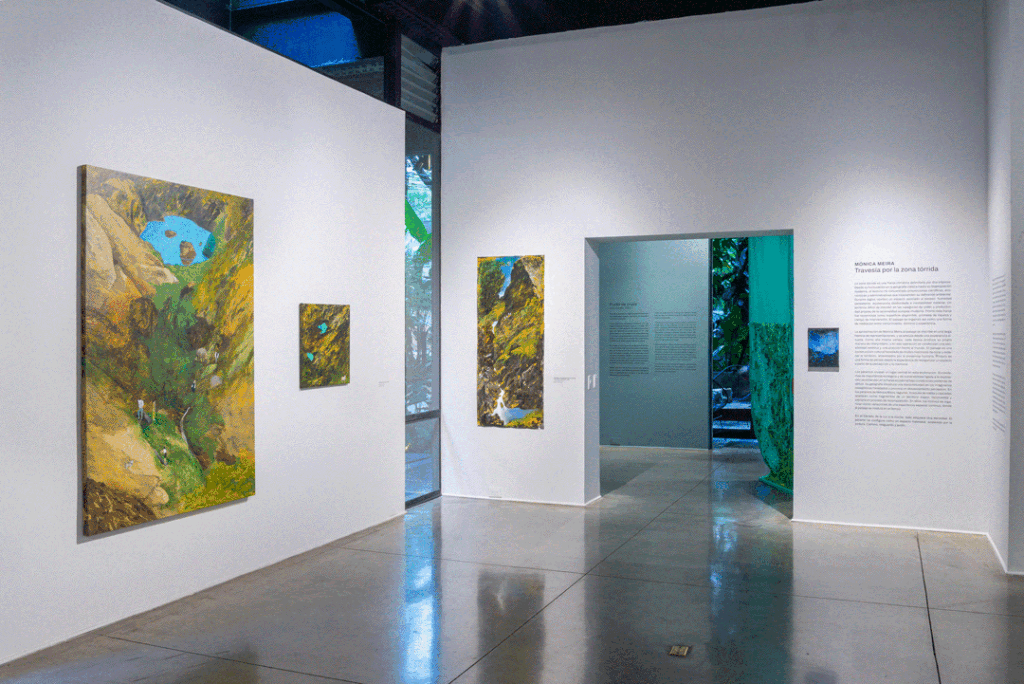
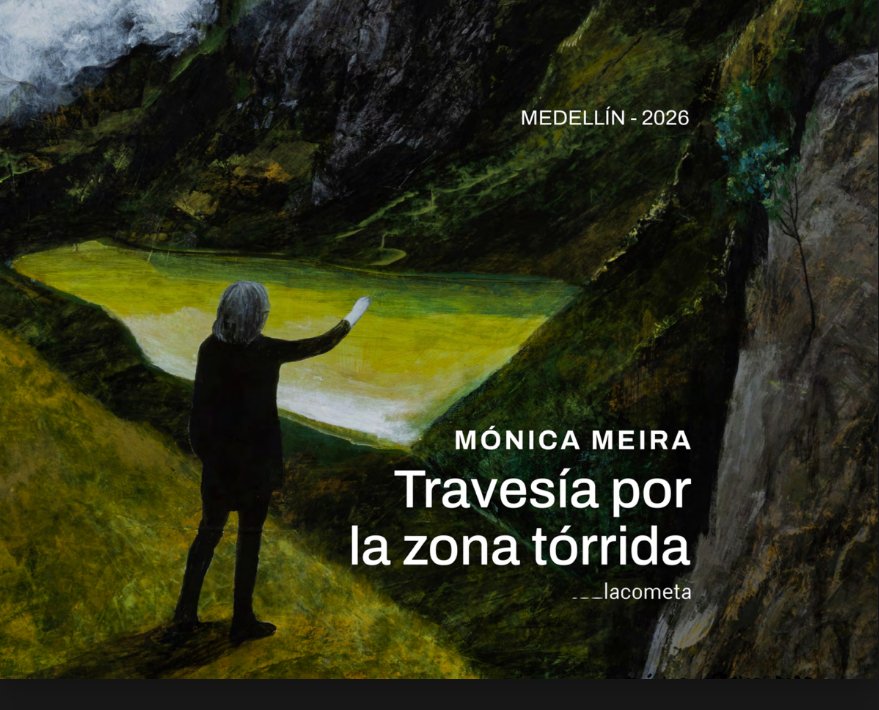
En La zona tórrida, Mónica Meira aborda el paisaje como una construcción cultural atravesada por la historia y la percepción. Sus páramos —ecosistemas frágiles y difíciles de fijar— aparecen como territorios en constante transformación, alejados de cualquier idea estable de naturaleza.
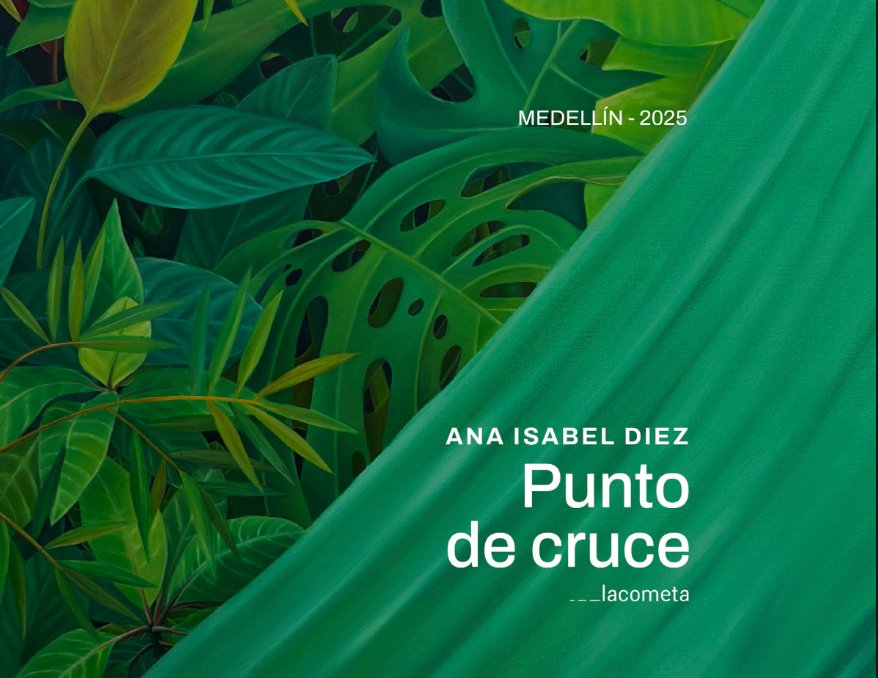
En Punto de cruce, Ana Isabel Diez parte de los cromosomas XX y XY para llevarlos al lenguaje del bordado. Al cruzar un oficio tradicionalmente femenino con materiales industriales, propone un espacio donde las diferencias no se anulan, sino que se tensan, cuestionando las divisiones que las sostienen.
Territorio y cuerpo.
Dos formas de desmontar lo que parecía dado.
La muestra tendrá lugar hasta el próximo 01 de abril en La Cometa Medellín
¡Los esperamos!
Two exhibitions, a shared point of tension.
In The Torrid Zone, Mónica Meira approaches landscape as a cultural construction shaped by history and perception. Her páramos—fragile ecosystems, difficult to fix—appear as territories in constant transformation, far removed from any stable idea of nature.
In Crossing Point, Ana Isabel Díez takes XX and XY chromosomes as a starting point and translates them into the language of embroidery. By intersecting a traditionally feminine craft with industrial materials, she proposes a space where differences are not erased, but held in tension, questioning the divisions that sustain them.
Territory and body.
Two ways of dismantling what once seemed given.
On view through April 1 at La Cometa Medellín.
We look forward to welcoming you.


COLOMBIA
Marzo, 2026