

La fragilidad como territorio: apuntes sobre la pintura de Valiente Pastel
A partir de una lectura atenta de la pintura de Valiente Pastel, este texto propone una reflexión sobre la fragilidad como territorio poético y político. Lejos de la ingenuidad aparente, la obra del artista despliega un imaginario donde lo lúdico y lo inquietante conviven, activando preguntas sobre el cuerpo, la vulnerabilidad y las formas silenciosas de resistencia.
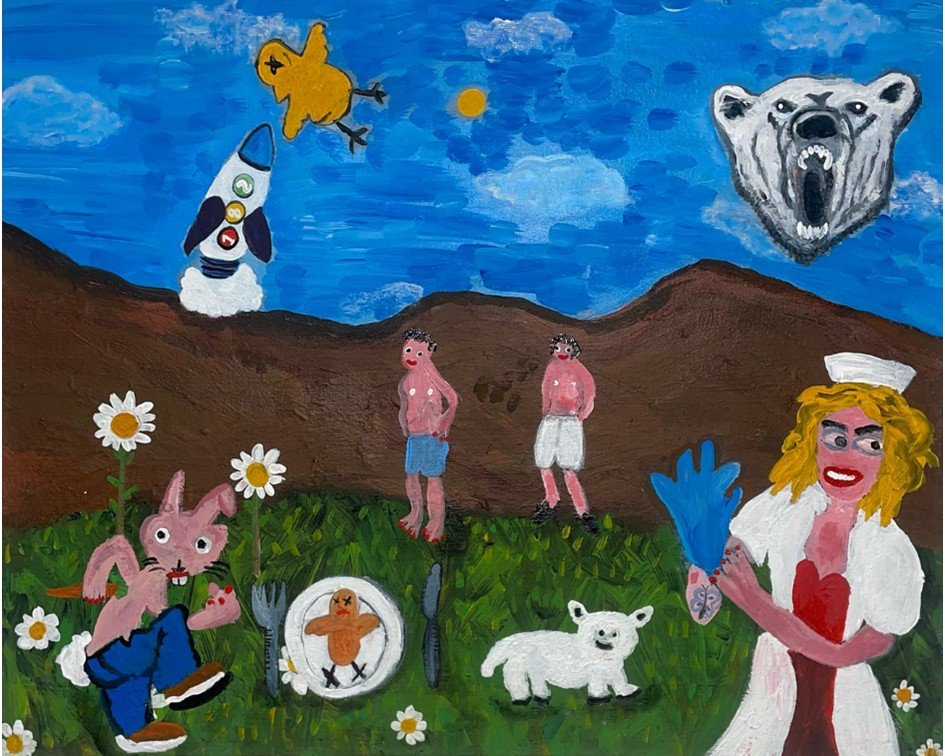
La pintura de Valiente Pastel se presenta, a primera vista, desde un registro de aparente ingenuidad. Colores planos, figuras esquemáticas, escenas que remiten a lo infantil o a lo fantástico construyen un universo que parece desarmado de toda gravedad. Sin embargo, basta detenerse un poco más para comprender que esa primera impresión es engañosa. Bajo la superficie amable, la obra sostiene una tensión constante entre vulnerabilidad y exposición, entre juego y riesgo.
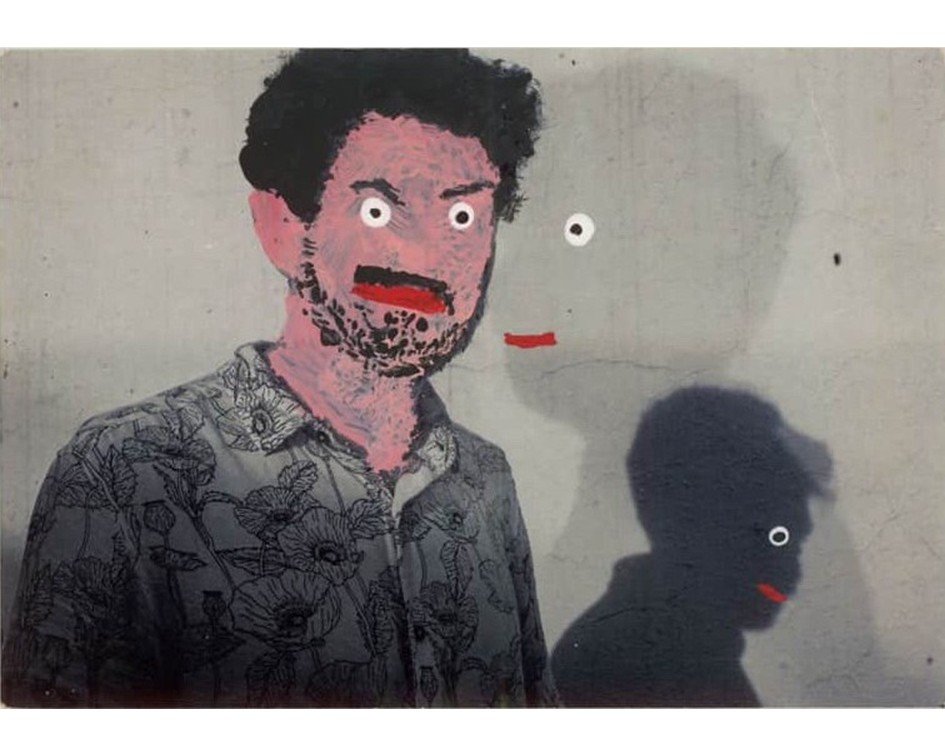
Los cuerpos que habitan estos cuadros son rosados, frágiles, a menudo desprotegidos. No responden a una anatomía ideal ni buscan afirmarse desde la fuerza; por el contrario, se muestran abiertos, torpes, incluso desbordados por el espacio que los rodea. Hay en ellos algo que no termina de acomodarse al mundo: figuras que parecen crecer de manera irregular, como si el entorno no ofreciera condiciones estables para una maduración lineal. Esta sensación de inadecuación no se presenta como drama, sino como estado permanente.
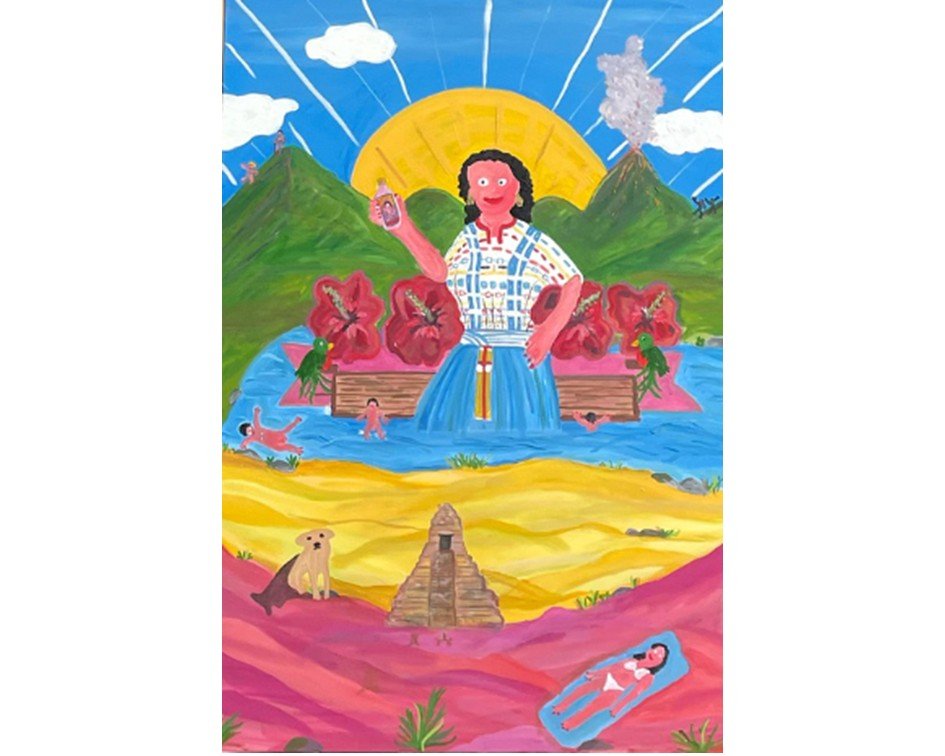
Lo fantástico aparece como una vía de escape y, al mismo tiempo, como un espejo distorsionado de lo real. Ángeles que flotan sin solemnidad, animales que acompañan o acechan, personajes que vuelan, caen o se sostienen precariamente en paisajes improbables. Estos elementos no funcionan como símbolos cerrados, sino como recursos narrativos que permiten hablar de deseo, miedo y supervivencia sin recurrir a un lenguaje literal. La pintura no explica: insinúa.
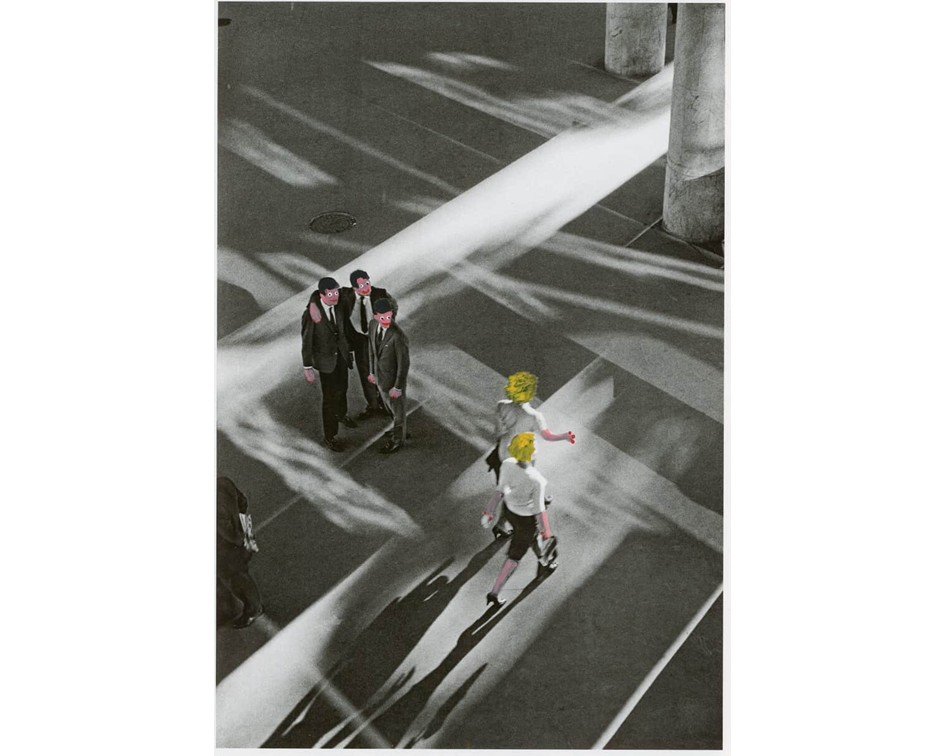
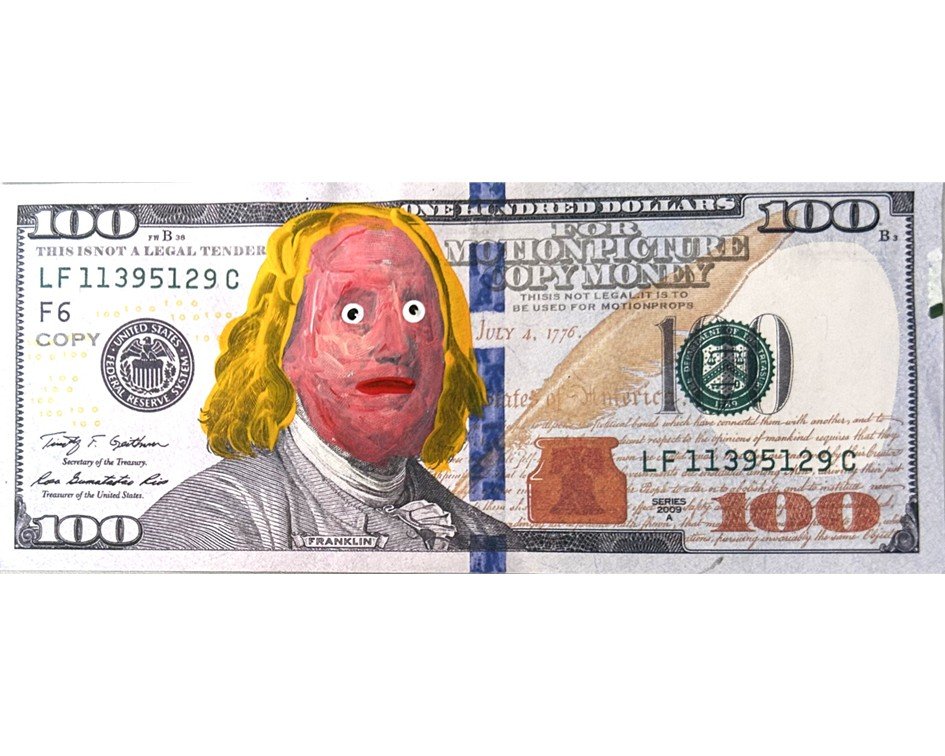
Resulta especialmente sugerente la convivencia de estos mundos imaginarios con signos reconocibles del entorno contemporáneo. Billetes, paisajes concretos, referencias a la amenaza o al peligro irrumpen sin estridencia, recordándonos que lo lúdico no anula lo real, sino que convive con él. En ese cruce, la obra de Valiente Pastel evita tanto la evasión como la denuncia explícita. Prefiere habitar un espacio intermedio, donde la risa puede volverse incómoda y la ternura no garantiza protección.
La pintura, directa y casi primaria, refuerza esta ambigüedad.. No hay aquí voluntad de virtuosismo técnico ni de sofisticación formal. La pintura se afirma desde la frontalidad, desde una especie de urgencia por decir algo antes de que se pierda. Esa economía de medios no empobrece el discurso; al contrario, lo concentra. Cada figura parece estar ahí porque no puede no estar.
En este sentido, la obra construye una ética de la fragilidad. No como carencia, sino como condición compartida. La exposición del cuerpo, la torpeza del gesto, la falta de defensas visibles se convierte en formas de resistencia silenciosa. Pintar desde ese lugar implica asumir el riesgo de no ser leído desde la comodidad, pero también la posibilidad de generar una cercanía poco común con el espectador.
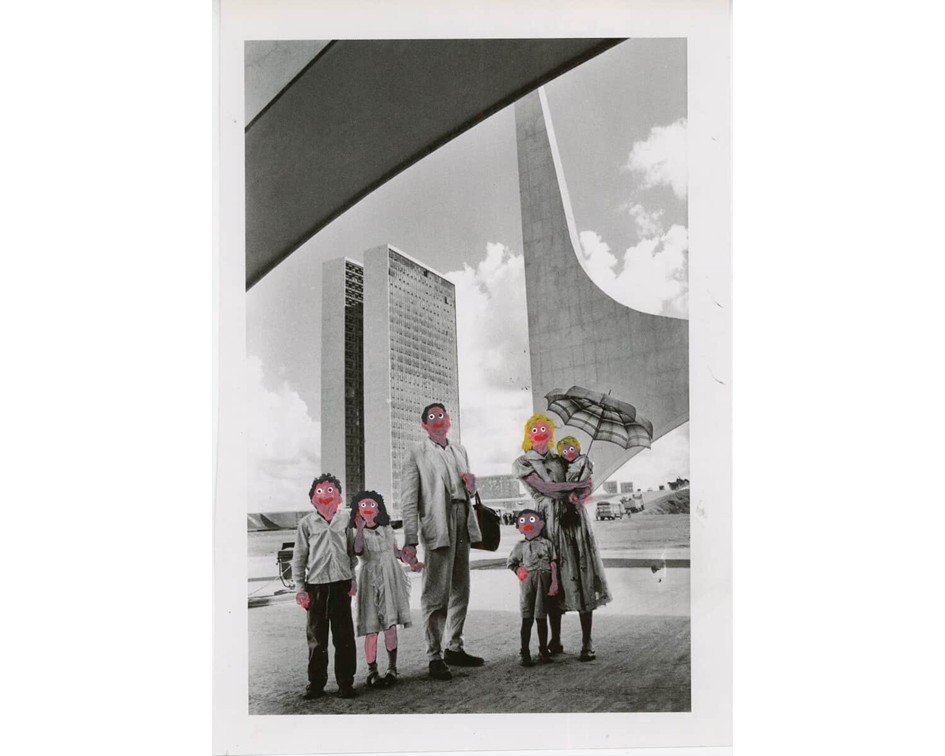
La participación de Valiente Pastel en la muestra colectiva Gentrificación, presentada en el Centro Cultural de España en Costa Rica, ofrece un nuevo marco de visibilidad para este trabajo sin alterar su naturaleza. Tras su participación reciente en una muestra colectiva en la Craig Krull Gallery, en California, el artista se presenta ahora en este contexto institucional, donde la pintura no se adapta al espacio que la acoge, sino que lo atraviesa con la misma honestidad con la que se manifiesta en cada imagen.
Más que proponer respuestas, estas obras abren preguntas persistentes: ¿cómo habitar un mundo que no siempre acoge?, ¿qué formas de protección inventamos cuando las existentes fallan?, ¿qué lugar ocupa la imaginación cuando la realidad resulta insuficiente? La pintura de Valiente Pastel no pretende resolver estas tensiones. Se limita —y no es poco— a sostenerlas.
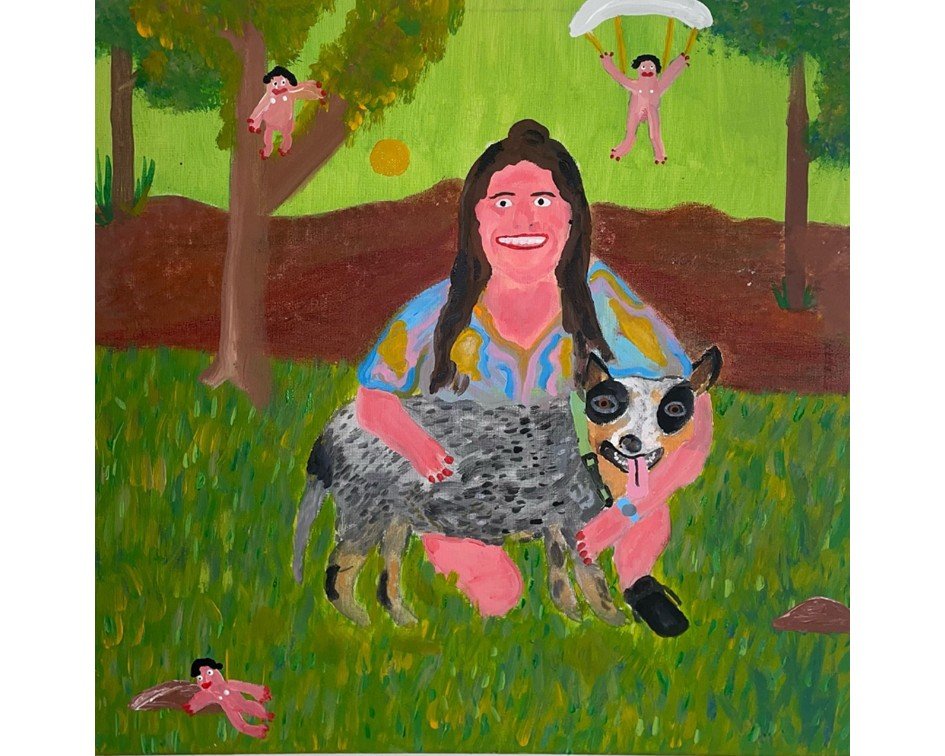
Fragility as Territory: Notes on the Painting of Valiente Pastel
Based on a close reading of the painting practice of Valiente Pastel, this text reflects on fragility as both a poetic and political territory. Far from mere apparent naivety, the artist’s work unfolds an imaginary where the playful and the unsettling coexist, raising questions about the body, vulnerability, and subtle forms of resistance.
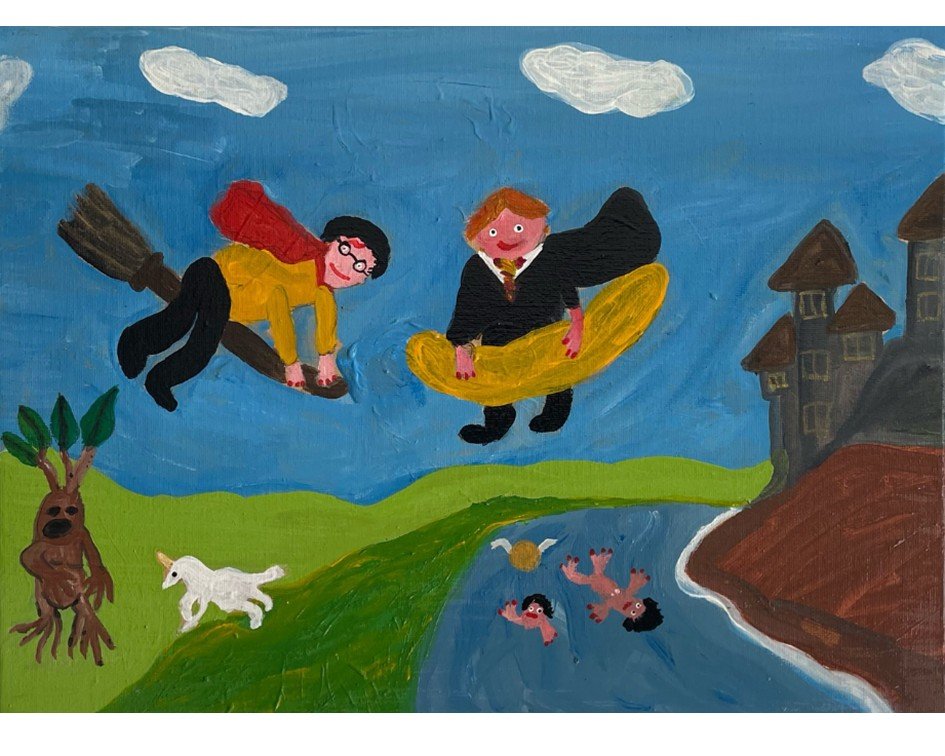
At first glance, the painting of Valiente Pastel appears to operate within a register of apparent innocence. Flat colors, schematic figures, and scenes that evoke childhood or fantasy construct a universe seemingly stripped of all gravity. Yet a closer look quickly reveals that this initial impression is misleading. Beneath its gentle surface, the work sustains a constant tension between vulnerability and exposure, between play and risk.
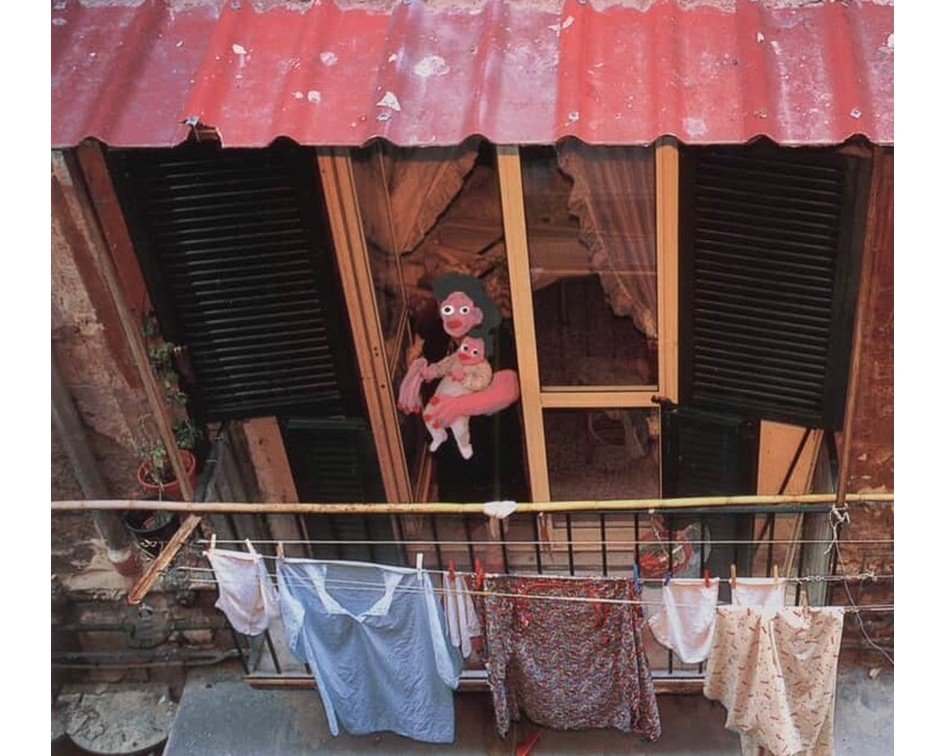
The bodies that inhabit these paintings are pink, fragile, often unprotected. They do not respond to an idealized anatomy nor seek affirmation through strength; on the contrary, they appear open, awkward, even overwhelmed by the space surrounding them. There is something in these figures that never fully settles into the world: bodies that seem to grow unevenly, as if the environment failed to provide stable conditions for linear maturation. This sense of inadequacy is not presented as drama, but as a permanent state.
Fantasy emerges here both as a means of escape and as a distorted mirror of reality. Angels float without solemnity, animals accompany or threaten, characters fly, fall, or precariously sustain themselves within improbable landscapes. These elements do not function as closed symbols, but as narrative devices that allow desire, fear, and survival to be addressed without resorting to literal language. The painting does not explain; it suggests.
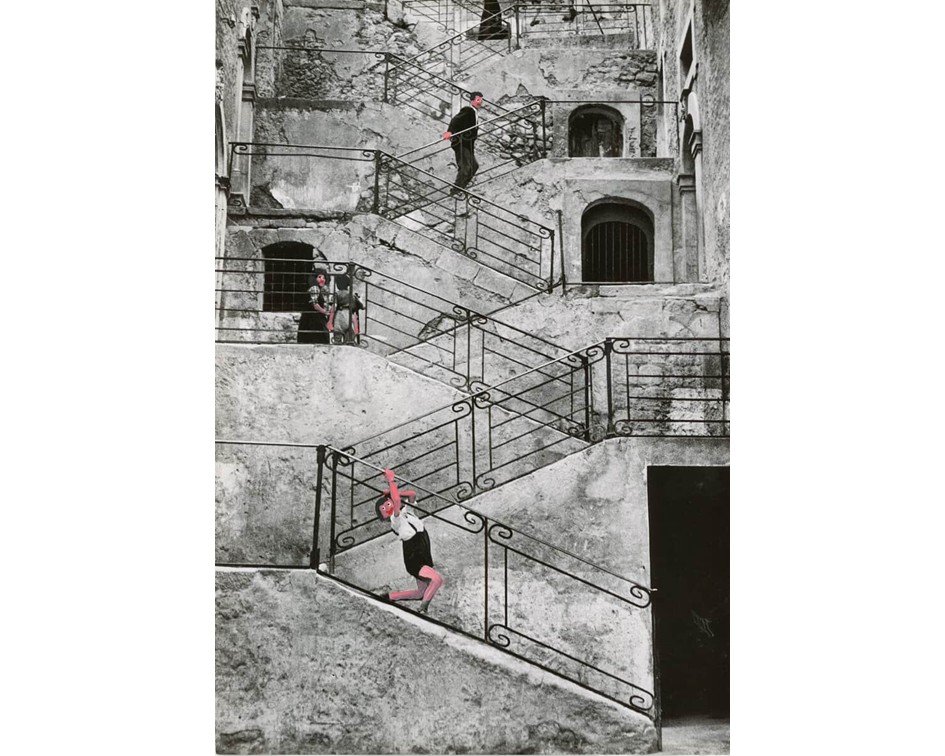
Particularly striking is the coexistence of these imaginary worlds with recognizable signs of the contemporary environment. Banknotes, specific landscapes, references to danger or threat appear without stridency, reminding us that the playful does not negate reality, but exists alongside it. Within this intersection, Valiente Pastel’s work avoids both escapism and overt denunciation. Instead, it inhabits an intermediate space, where laughter can become uncomfortable and tenderness offers no guarantee of protection.
The choice of a direct, almost primary pictorial language reinforces this ambiguity. There is no pursuit of technical virtuosity or formal sophistication. The painting asserts itself through frontal presence, through a kind of urgency to say something before it disappears. This economy of means does not impoverish the discourse; on the contrary, it concentrates it. Each figure seems to be there because it cannot be otherwise.
In this sense, the work constructs an ethics of fragility—not as lack, but as a shared condition. The exposure of the body, the awkwardness of gesture, the absence of visible defenses become forms of silent resistance. Painting from this place entails the risk of not being read from a position of comfort, but also the possibility of generating an uncommon proximity with the viewer.
Valiente Pastel’s participation in the group exhibition Gentrification, presented at the Spanish Cultural Center in Costa Rica, offers a new framework of visibility for this body of work without altering its nature. Following his recent participation in a group exhibition at the Craig Krull Gallery in California, the artist now presents his work in this institutional context, where the painting does not adapt itself to the space that hosts it, but rather cuts through it with the same honesty with which it manifests in each image.
Rather than proposing answers, these works open persistent questions: how does one inhabit a world that does not always offer shelter? What forms of protection do we invent when existing ones fail? What role does imagination play when reality proves insufficient? Valiente Pastel’s painting does not seek to resolve these tensions. It limits itself—and this is no small thing—to sustain it.
Cesar Sasson
Magíster en Curaduría de Arte
coleccionsasson@gmail.com
@coleccionsasson
Ciudad de Panamá – Panamá
Enero 2026