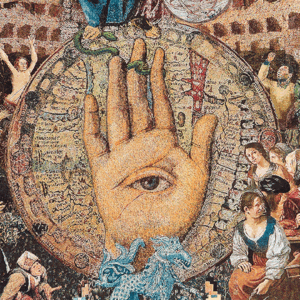



Protesta-soterra-da1985acrilico46x6
Panamá en clave de mujer: Una reflexión tras la partida de Coqui Calderón
A veces, para entender el alma de un país, hay que mirar a quienes le dieron color cuando todo era gris. Tras la noticia del fallecimiento de la reconocida artista Coqui Calderón, comparto esta reflexión personal —desde mi mirada como extranjero en Panamá— sobre su legado y ese asombroso fenómeno de liderazgo femenino que define el arte de esta nación
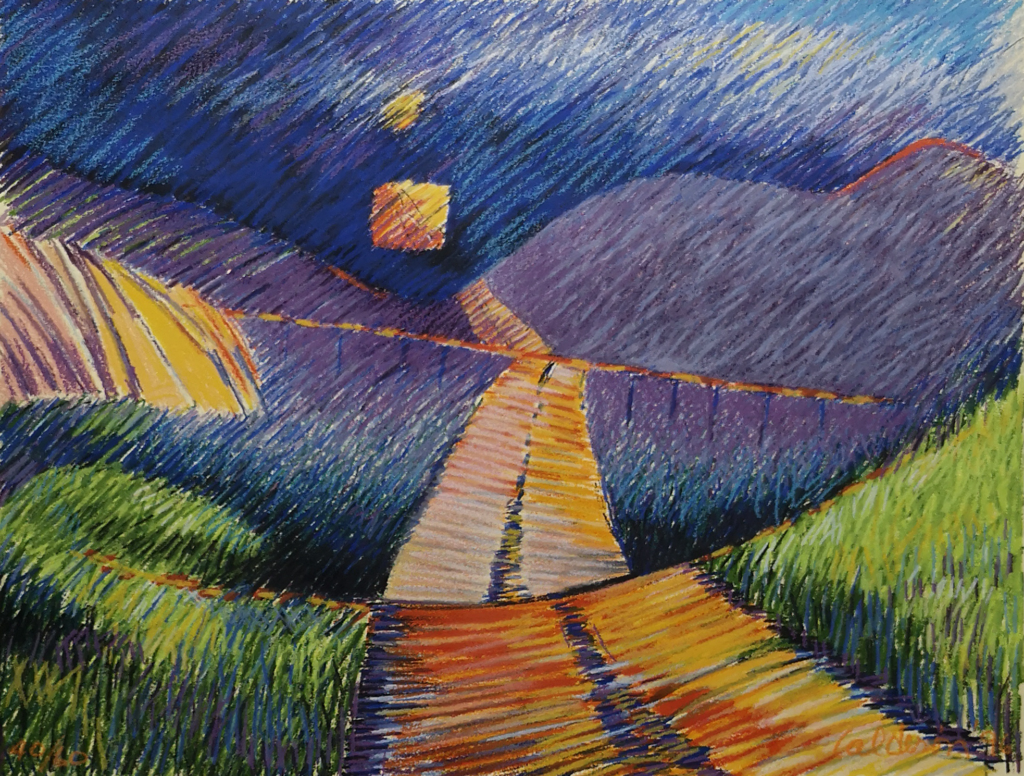
Coqui-Calderón10.
Vivir en un país que no es el propio es un ejercicio constante de observación. Uno llega con la mirada limpia, casi todavía sin claves suficientes, tratando de descifrar qué es lo que mueve el espíritu del lugar que ahora habita. En mi caso, viviendo en Panamá, hay un fenómeno que me ha saltado a la vista de manera recurrente, y que hoy, ante la noticia del fallecimiento de la artista Coqui Calderón, cobra una relevancia especial: la poderosa y omnipresente huella de la mujer en el arte de esta nación.
Como foráneo, uno no siempre conoce los detalles técnicos de la historia del arte local, pero sí percibe las ausencias y las presencias. En muchos de nuestros países de origen, la historia «oficial» del arte suele ser un desfile de nombres masculinos donde las mujeres aparecen como excepciones o figuras secundarias. Sin embargo, al asomarse a la cultura panameña, el panorama es distinto. Es refrescante y, para ser honesto, admirable descubrir que los pilares sobre los que se asienta la cultura visual de este país tienen, en gran medida, rostro femenino.
La noticia de la partida de Coqui Calderón esta mañana me hizo detenerme. Aunque no soy un experto en su técnica, basta con mirar su trayectoria para entender que ella fue una de esas figuras que «hizo» el camino. Escuchas su nombre y, de inmediato, aparecen otros nombres que se repiten con frecuencia: Olga Sinclair, Sandra Eleta, Teresa Icaza. Es curioso cómo en Panamá, el prestigio cultural parece estar custodiado por una estirpe de mujeres creadoras. Para alguien que viene de fuera, esto no es solo un dato biográfico; es una señal de la salud y la madurez de una sociedad que ha permitido (o donde ellas han conquistado) que la sensibilidad femenina sea la que narre la identidad del país.
Coqui Calderón representa, a mis ojos de observador, esa generación que no se conformó con lo establecido. Se formó fuera, en centros como París o Nueva York, pero regresó para construir algo aquí. Esa mezcla de cosmopolitismo y arraigo es algo que quienes somos extranjeros valoramos profundamente, porque entendemos lo difícil que es traducir el mundo a un lenguaje local. Ella no solo pintó; ayudó a fundar instituciones como el Museo de Arte Contemporáneo (MAC), asegurándose de que el arte tuviera una casa. Es esa labor de cuidado del espacio común, de construcción paciente, de cuidar y hacer crecer el espacio común, lo que hoy se siente como una pérdida colectiva.
Desde mi posición de extranjero, no pretendo hacer una crítica académica de sus lienzos. Me quedo con la sensación que dejan sus colores y sus formas: una mezcla de fuerza y elegancia que parece ser el sello del arte panameño hecho por mujeres. Su fallecimiento es un recordatorio de que la cultura de este país le debe muchísimo a esa determinación femenina.
Para quienes estamos aquí tratando de entender a Panamá, figuras como Coqui Calderón nos sirven de brújula. Nos dicen que este país es mucho más que su geografía o su comercio; es un lugar donde la creación artística ha sido un territorio de libertad liderado por mujeres valientes. Hoy, el istmo se queda un poco más huérfano, pero para el extraño que observa, el legado de Coqui queda como una invitación a seguir descubriendo esa Panamá profunda que ella, con tanto empeño, se dedicó a trazar.
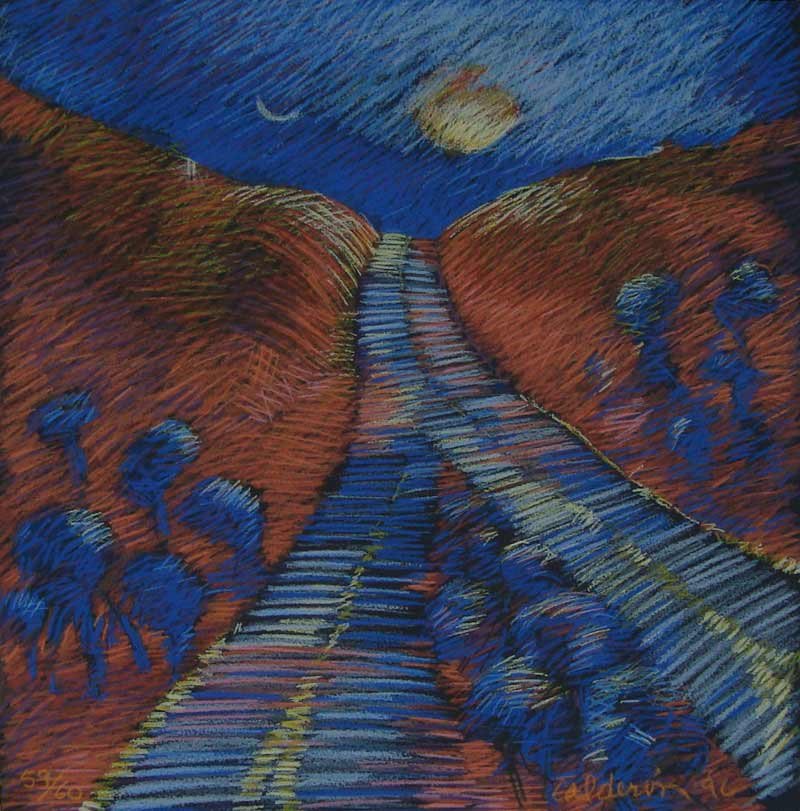
Camino Azul, serigrafía
Panama Through a Woman’s Lens: A Reflection Following the Passing of Coqui Calderón
Sometimes, to understand the soul of a country, one must look at those who gave it color when everything seemed gray. Following the news of the passing of the renowned artist Coqui Calderón, I share this personal reflection—from my perspective as a foreigner in Panama—on her legacy and the remarkable phenomenon of female leadership that defines this nation’s art.

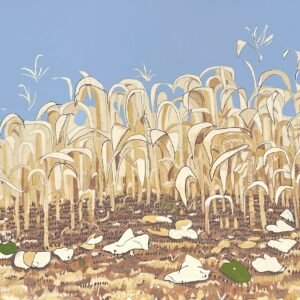
Landscape-pear-Mamey-1987 pastel 32.5×27-
Living in a country that is not your own is a constant exercise in observation. One arrives with a clean slate, perhaps still lacking the necessary keys to decipher what moves the spirit of the place they now inhabit. In my case, living in Panama, there is a phenomenon that has repeatedly caught my attention, and which today, with the news of artist Coqui Calderón’s passing, takes on special significance: the powerful and omnipresent footprint of women in this nation’s art.
As a foreigner, one might not always know the technical details of local art history, yet one still perceives the absences and the presences. In many of our home countries, the «official» history of art is often a parade of male names where women appear only as exceptions or secondary figures. However, when looking into Panamanian culture, the landscape is different. It is refreshing and, to be honest, admirable to discover that the pillars upon which this country’s visual culture rests have, in large part, a female face.
The news of Coqui Calderón’s passing this morning gave me pause. Although I am not an expert in her technique, one only has to look at her career to understand that she was one of those figures who «blazed the trail.» You hear her name and, immediately, other names frequently follow: Olga Sinclair, Sandra Eleta, Teresa Icaza. It is curious how in Panama, cultural prestige seems to be guarded by a lineage of female creators. For someone from abroad, this is not just a biographical fact; it is a sign of the health and maturity of a society that has allowed (or where they have conquered) the female sensibility to narrate the country’s identity.
To my eyes as an observer, Coqui Calderón represents that generation that refused to settle for the status quo. She trained abroad, in centers like Paris or New York, but returned to build something here. That blend of cosmopolitanism and deep roots is something we foreigners value profoundly, because we understand how difficult it is to translate the world into a local language. She didn’t just paint; she helped found institutions like the Museum of Contemporary Art (MAC), ensuring that art had a home. It is that labor of caring for the common space, of patient construction, and of nurturing collective growth that feels like a collective loss today.
From my position as a foreigner, I do not intend to offer an academic critique of her canvases. I am left with the feeling evoked by her colors and shapes: a blend of strength and elegance that seems to be the hallmark of Panamanian art made by women. Her passing is a reminder that this country’s culture owes a great deal to that feminine determination.
For those of us here trying to understand Panama, figures like Coqui Calderón serve as a compass. They tell us that this country is much more than its geography or its commerce; it is a place where artistic creation has been a territory of freedom led by brave women. Today, the isthmus feels a bit more orphaned, but for the stranger who observes, Coqui’s legacy remains an invitation to continue discovering that deep Panama she so diligently dedicated herself to tracing.
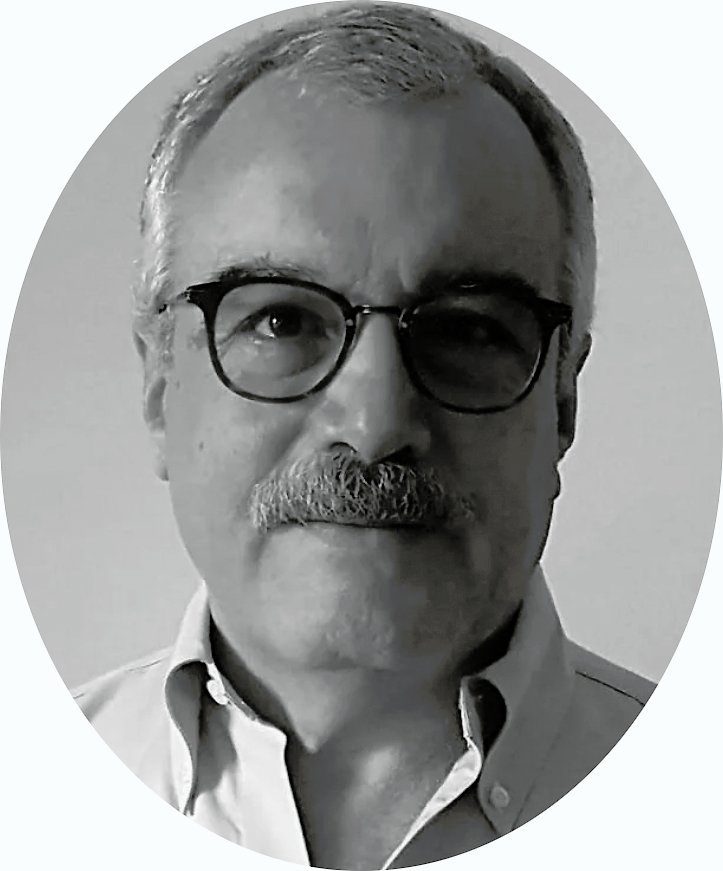
Cesar Sasson
Magíster en Curaduría de Arte
coleccionsasson@gmail.com
@coleccionsasson
Ciudad de Panamá –Panamá
Enero, 2026